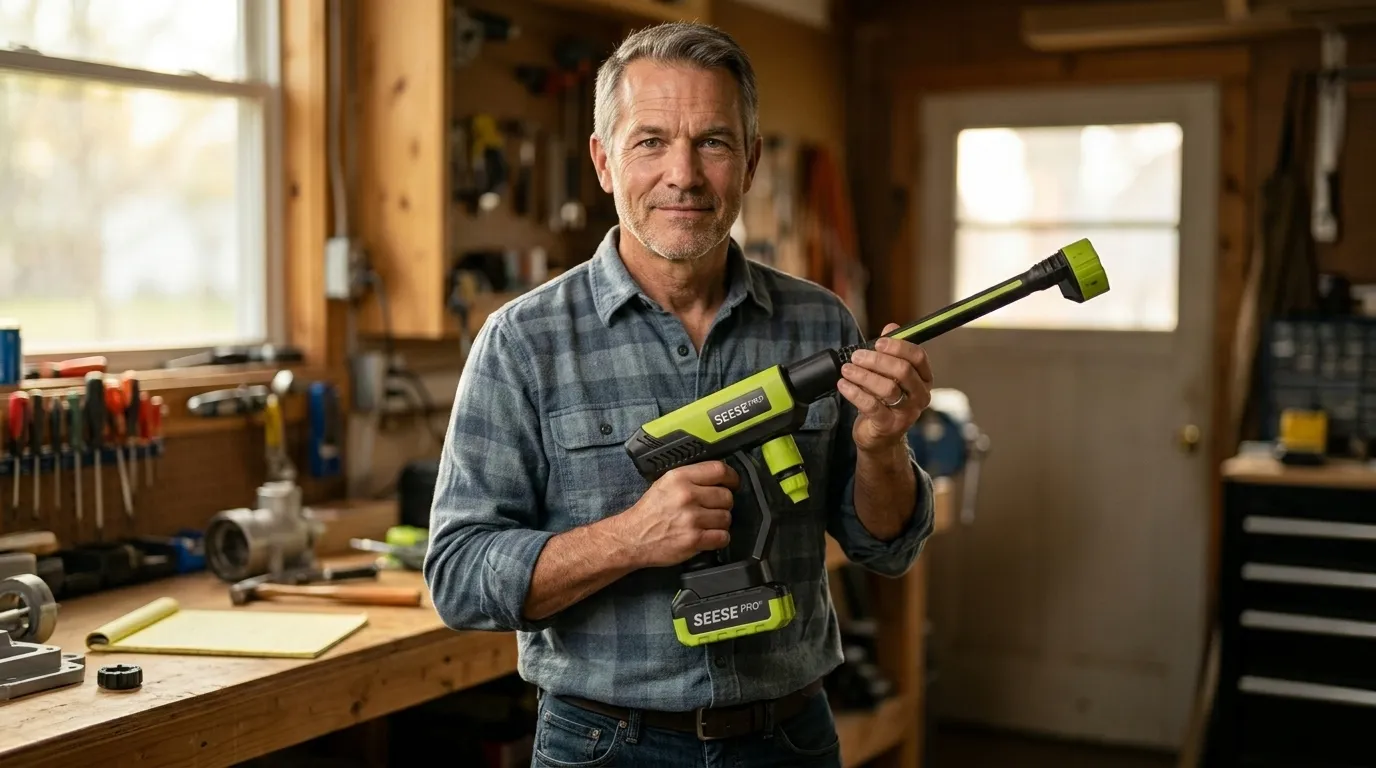
The real innovation isn't more pressure. It's freedom from the tap.

I spent thirty years designing pressure circuits for industrial water systems. I never thought I'd build a consumer product. Then I walked into Home Depot.
What I saw on those shelves wasn't engineering. It was packaging. Heavy machines tethered to a wall, sold to people who already own hoses.
My cabin in Geauga County has no outdoor spigot. The deck was green with algae after the long thaw. The Honda was still caked with road salt from the last storm of March. And fifteen feet away sat a lake.
Forty thousand gallons of water. Not a single consumer machine that could use it. So I went home, opened my workbench, and started prototyping.
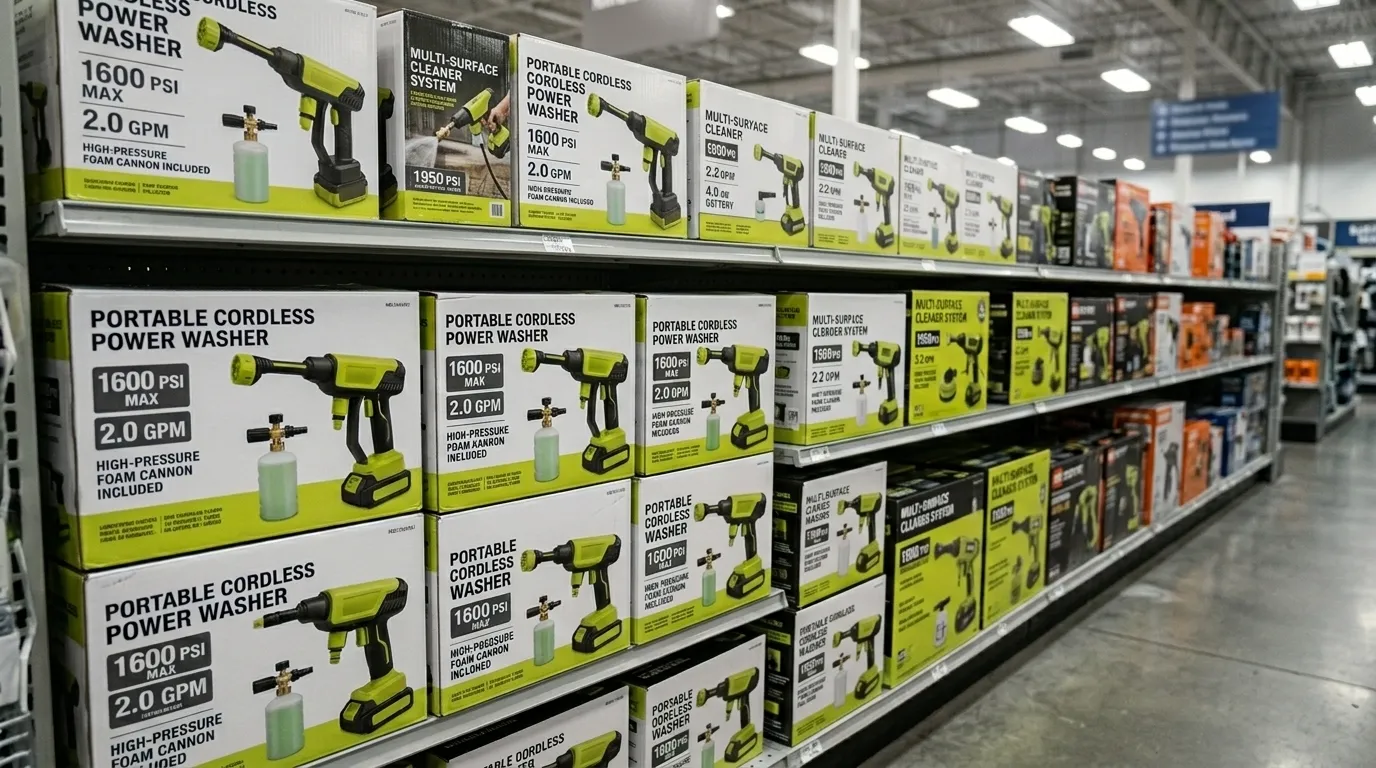
The category quietly stopped trying. Margins were strong, lawsuits were rare, and homeowners kept buying replacements every two summers. There was no incentive to disturb the model.
Look at any retail floor. Same plastic shrouds, same trigger guns, same fifty-foot hose requirement. Nothing has fundamentally changed since the late nineties.
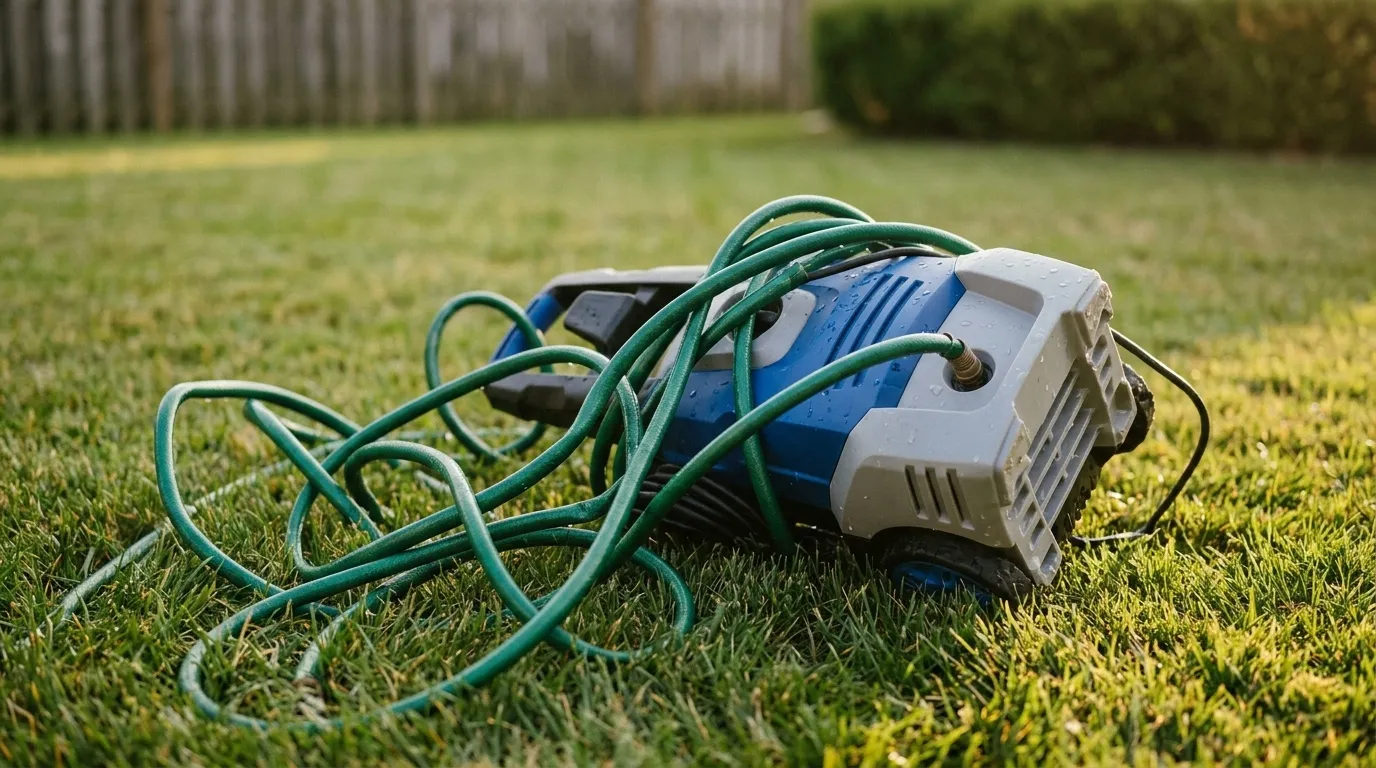
The assumption underneath every machine is the same: you have a wall, you have a tap, and you have somewhere to drain. Most of the country doesn't.
I have neighbors with boats on gravel pads. I have friends with RVs at campgrounds. None of them have a hose bib within a hundred feet.
The industry treats those people as edge cases. From thirty years inside hydraulic engineering, I can tell you they are the actual majority of buyers.
I keep a notebook of every complaint I've heard at hardware counters, neighborhood yard sales, and the parking lot of the rental yard near my cabin.
Five problems show up in nearly every conversation. Once you see them listed, the design failures become obvious.
The hose tether. You move ten feet, the hose snags, the machine tips, and you spend more time wrestling rubber than cleaning anything.
The flow requirement. If your municipal pressure is low or you're on a well, the machine starves and the pump cavitates within minutes.
The weight. Most machines run forty to seventy pounds. Carrying one to a boat slip or a second-floor balcony is its own afternoon project.
The noise. Gas units sound like a generator. Electric units rattle the deck. Either way, the neighbors know exactly what you're doing on a Saturday.
The drainage. All that runoff has to go somewhere. On a paver driveway it pools. On a gravel pad it cuts channels. Nobody plans for it.
None of these are exotic complaints. They're the predictable result of designing for a showroom rather than a backyard.
Every one of them disappears the moment you stop assuming the user has a wall, a tap, and a drain within reach.
Before I started prototyping, I went through every reasonable alternative. Six months of testing what was already on the market.
Each one failed at the cabin for a different reason. None of them solved the basic problem: no spigot, no hookup, no patience for plastic.
The brand-name electric. Twenty-five feet of cord, fifty feet of hose. I needed two extension cords just to reach the deck.
The gas-powered model. Loud, heavy, and the carburetor gummed up after sitting through one Ohio winter without fuel stabilizer.
The cordless brand washer. Battery died after eight minutes. Charger took three hours. The math doesn't work for a real cleaning job.
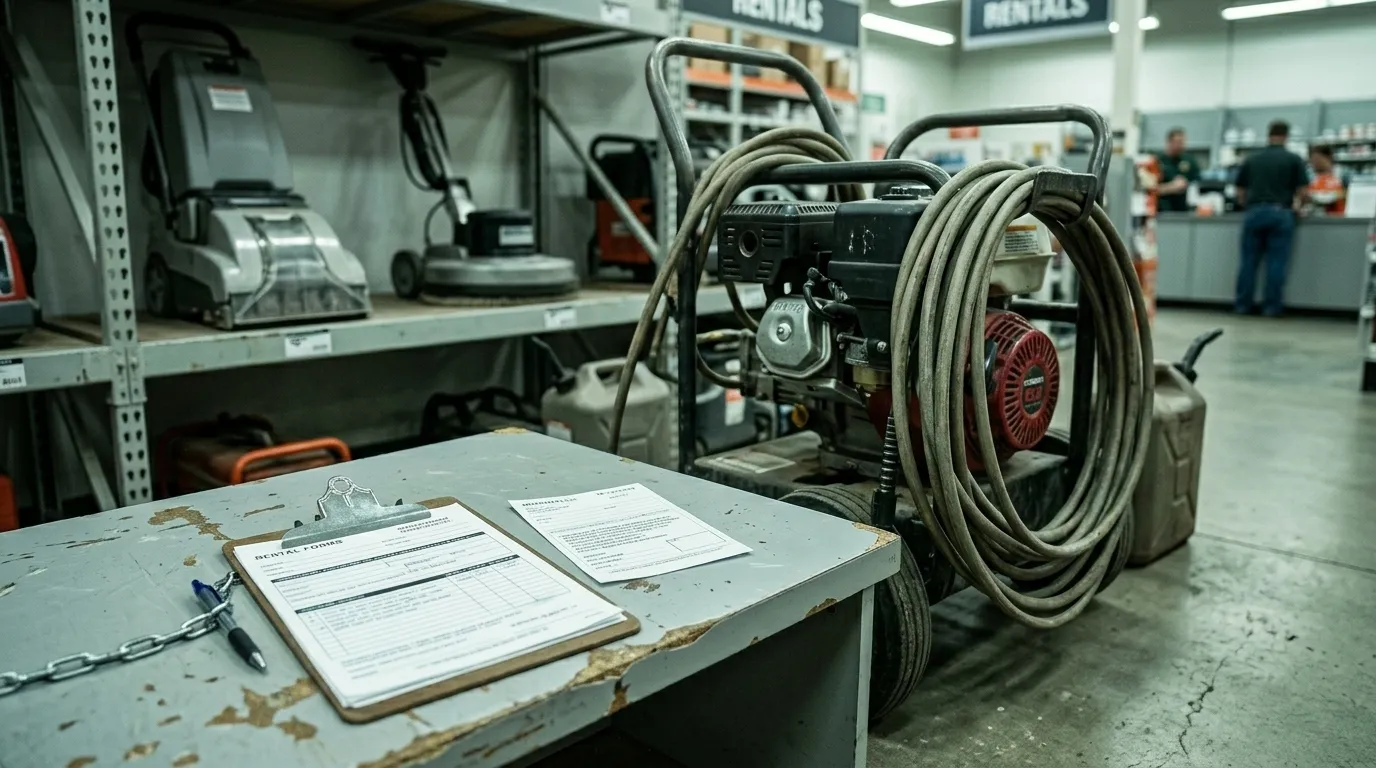
Renting a unit from the home center. Forty-five minute drive each way, deposit, fuel, and a return window that ate the whole afternoon.
Hiring a mobile detail crew. Showed up with their own tank, charged what felt like a mortgage payment, and left a streak across the deck.
After the last attempt, I sat in the garage with a bucket of well water and asked a different question. What if the bucket was the source?
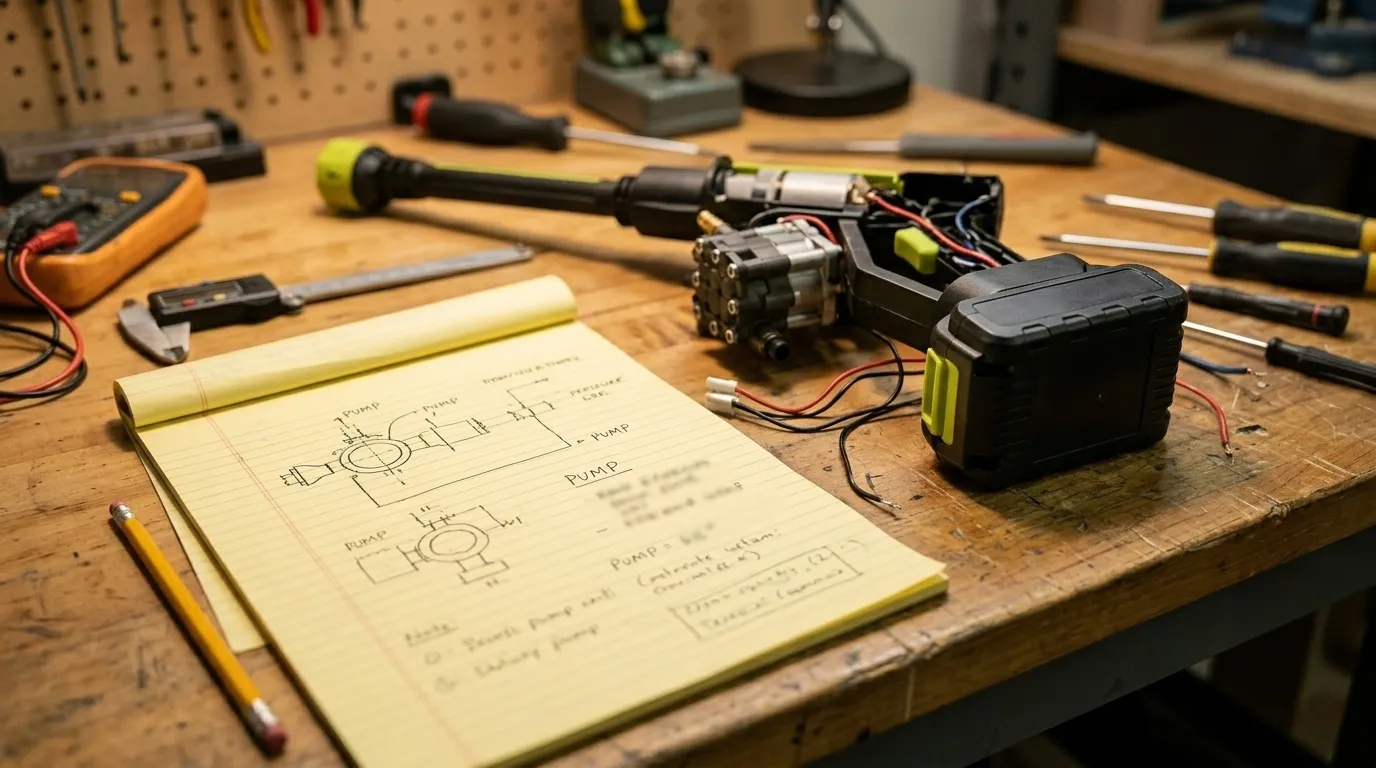
Industrial systems don't assume infrastructure. You build for the field, the rig, the mine. The water comes from where it comes from.
I borrowed five principles from my old work and applied them to a tool a homeowner could carry in one hand.
I cleaned the algae off the cabin deck in under an hour. Two refills of the bucket from the lake. No cord, no extension, no spigot needed.
The Honda came next. Road salt, brake dust, the gray film that builds up under the wheel arches over a Cleveland winter. Gone in forty minutes.
My neighbor borrowed it for his pontoon boat. Came back asking where to buy one. That conversation is what convinced me to build more than one.
I didn't want to license the design to a brand that would water it down for retail margins. So I produced it myself, under my own name.
It is called the Seese Pro™ Washer. The name isn't clever. It tells you the only thing that matters: it works anywhere.
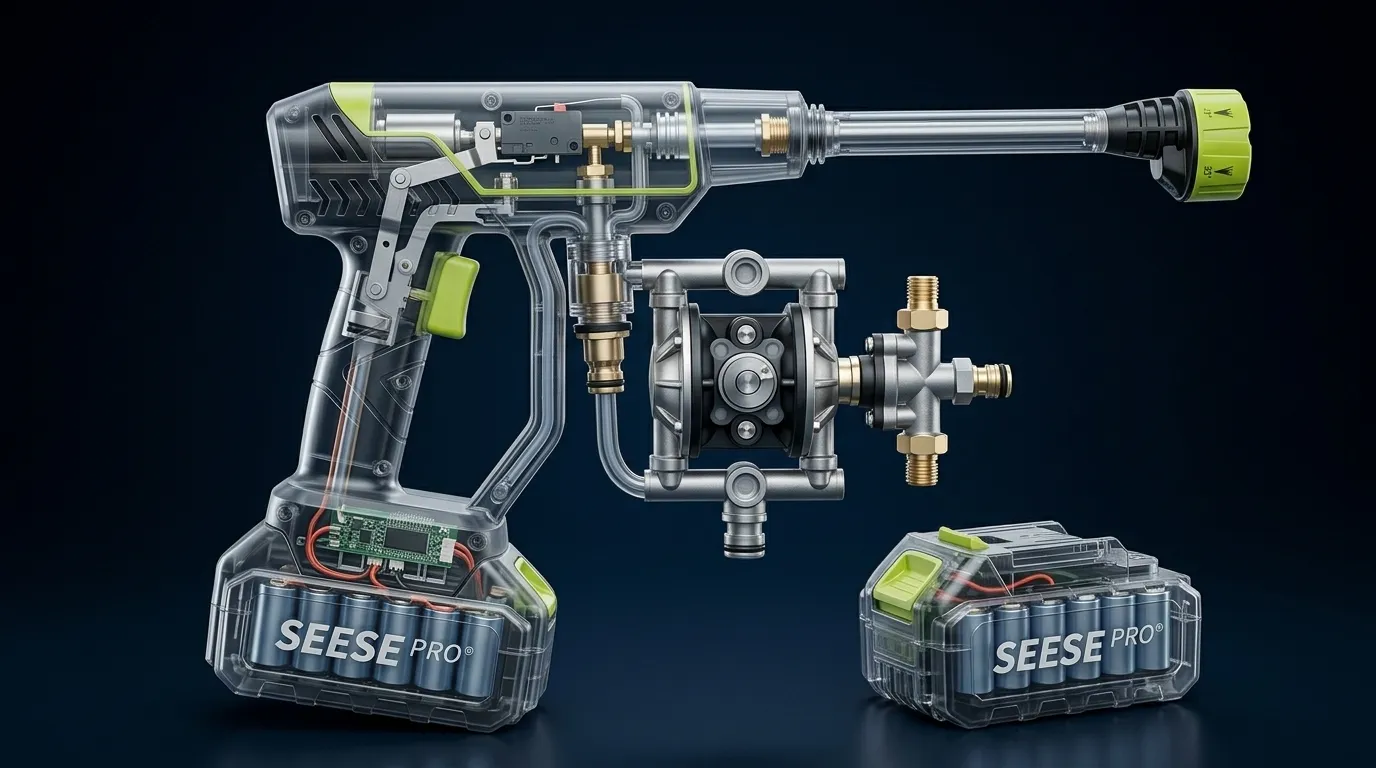
Self-priming diaphragm pump. Around 305 PSI of working pressure. Pulls from any container up to about ten feet below the inlet.
Lithium pack runs roughly forty-five minutes per charge. Recharges in three hours from a standard wall outlet. Five interchangeable nozzles handle everything from car paint to stone patio.

Greg, 61, Retired contractor
I keep mine in the truck bed with two buckets. Wash a client's deck, refill from their kitchen sink, drive to the next job. No setup, no apologies.

Marlene, 54, RV park manager
Forty pads on the property and exactly six water hookups. Now I clean awnings and slide-outs at every site without dragging a hose across gravel. Saved my back.

Bill, 67, Retired electrician
My boat sits at a slip with no power and no water. I bring a five-gallon bucket of lake water and the Seese Pro. Whole hull cleaned in an hour.

Susan, 58, Realtor
I prep listings every weekend. Decks, siding, driveway oil stains. The portable unit fits in the trunk of my Camry and works from a kitchen mop bucket.
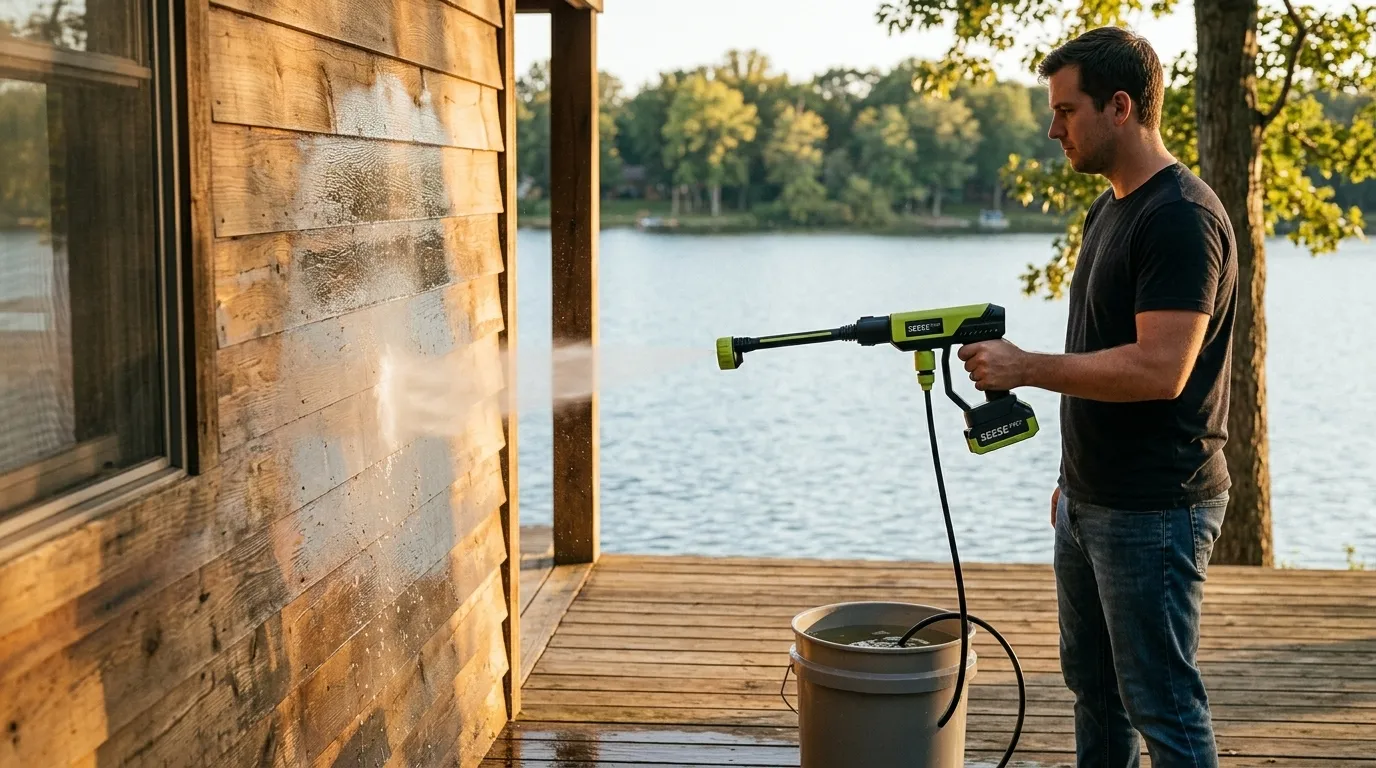
Five things change the day this lands on your porch. None of them are marketing copy. They're the operational differences I designed in.
No hose, no tap, no fixed water connection is required.
Pulls water from buckets, pools, barrels, lakes, and any pond.
Light enough to use one-handed on any car or deck.
Lithium battery delivers a full cleaning session on one charge.
Fits in a tote bag, your truck bed, or anywhere.
Each one is the result of asking what an actual user needs, rather than what fits a retail planogram or matches the competition's spec sheet.
Retail margins double the price of every tool you buy. The shelf wants its cut. The distributor wants its cut. The brand wants its cut.
I had two choices. Sell through retail at a markup that would embarrass me, or ship direct from the warehouse and keep it honestly affordable.
You order from the website. It arrives at your door. No middlemen, no shelf fees, no eight-week negotiations with a Costco buyer.
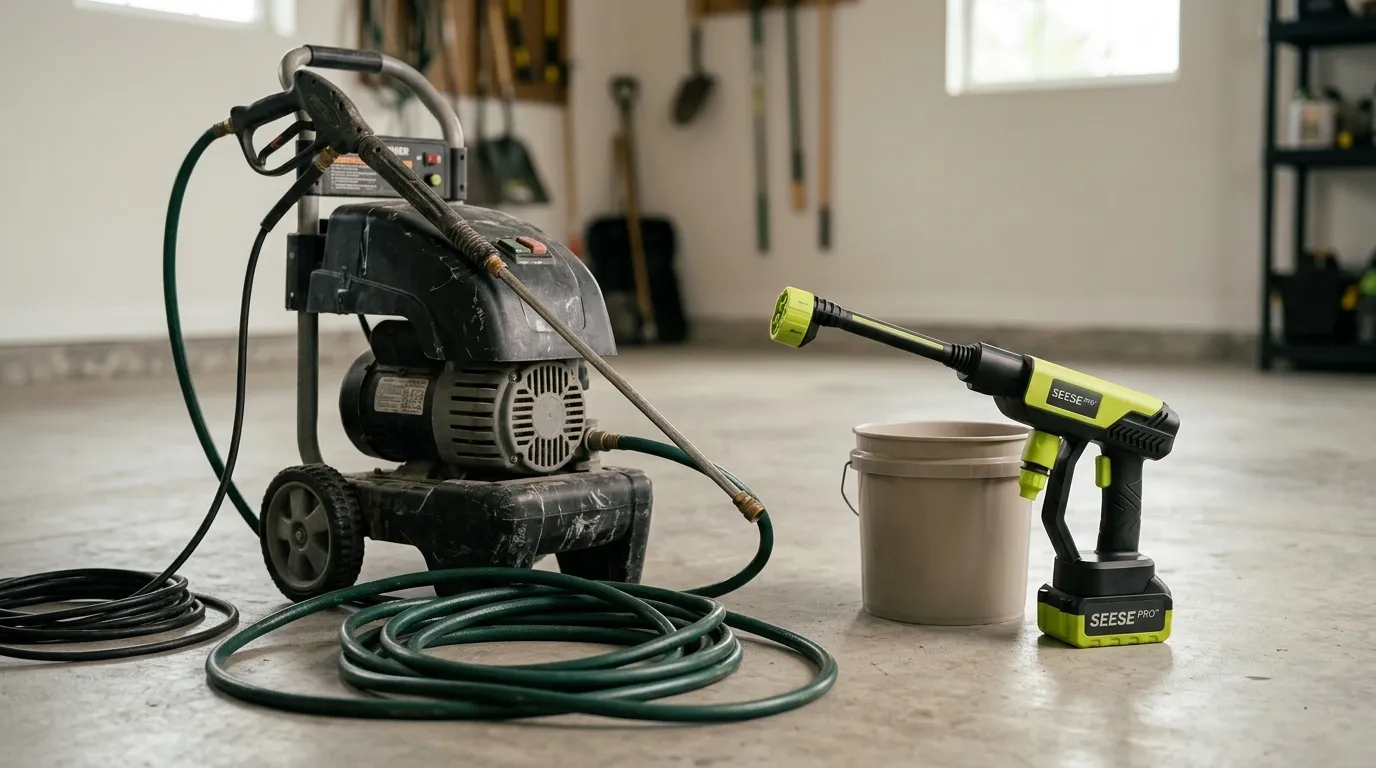
I'm not going to insult you with a side-by-side chart full of green checkmarks. You can do that math on your own kitchen table.
What I will tell you is the question to ask. Where will you actually use this? If the answer involves anywhere without a hose bib, the comparison ends there.
The traditional pressure washer wins in one scenario: you stand next to a wall with a tap and clean a flat driveway. That's it.
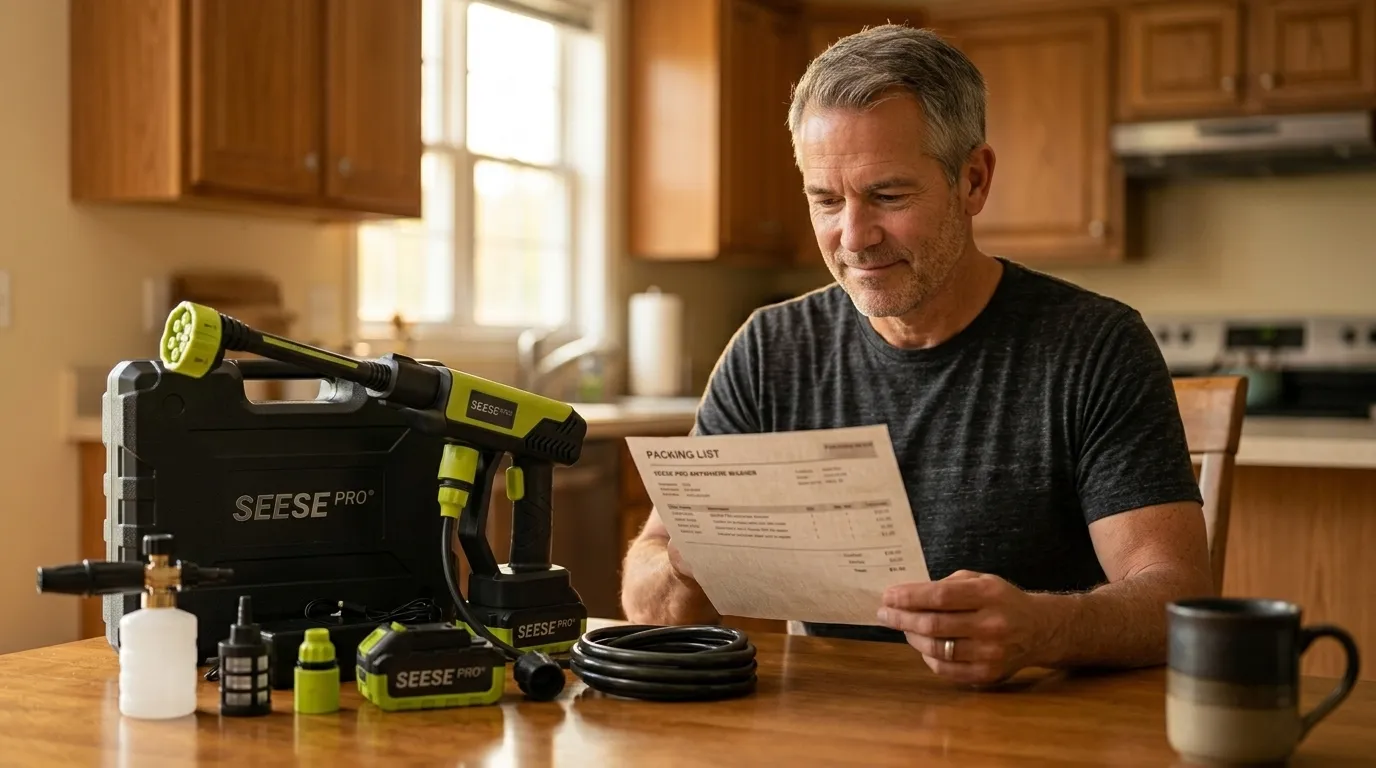
I get the question every week. People assume a tool this capable should cost what a name-brand gas unit costs. It doesn't, and there are reasons.
Four cost lines disappear when you skip retail and skip the legacy supply chain.
The result is a tool that's remarkably affordable for what it does, and built to outlast every plastic gadget on the home center floor.
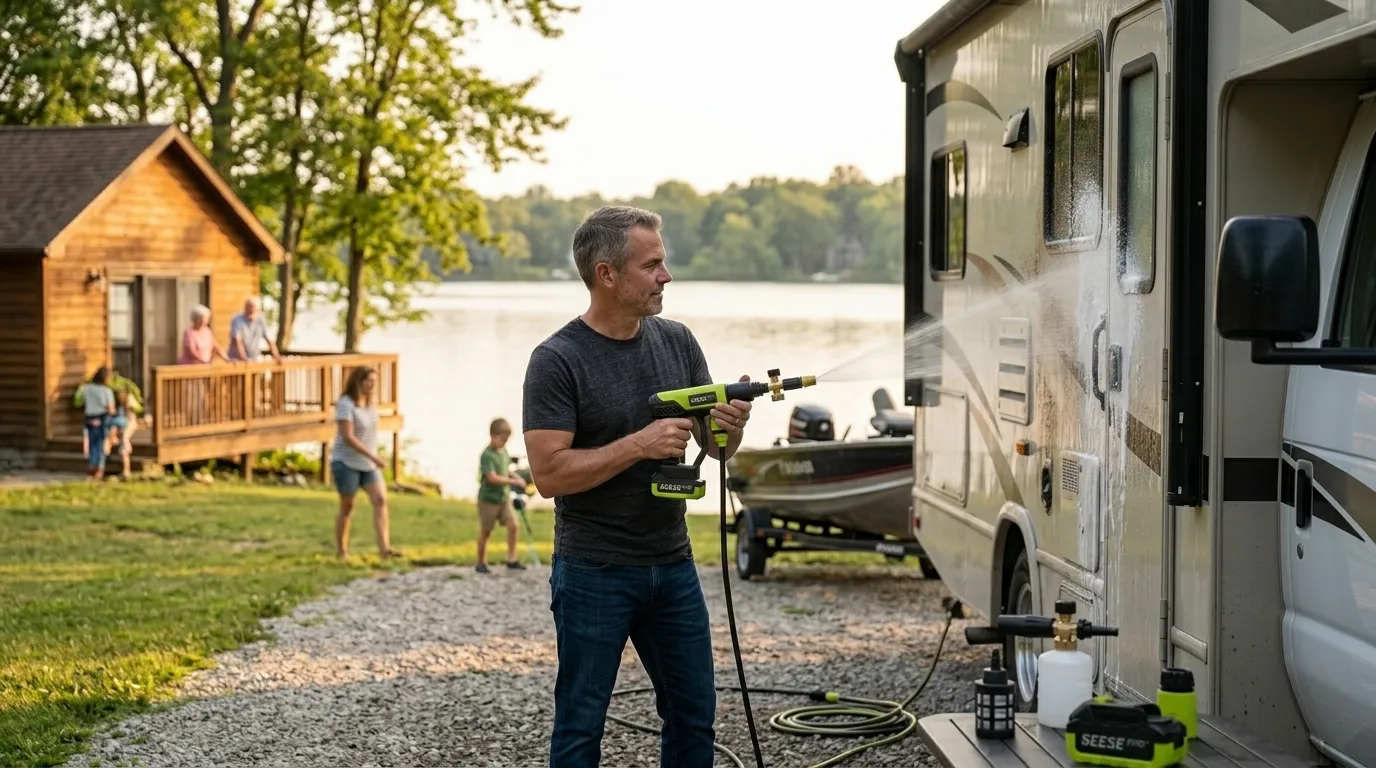
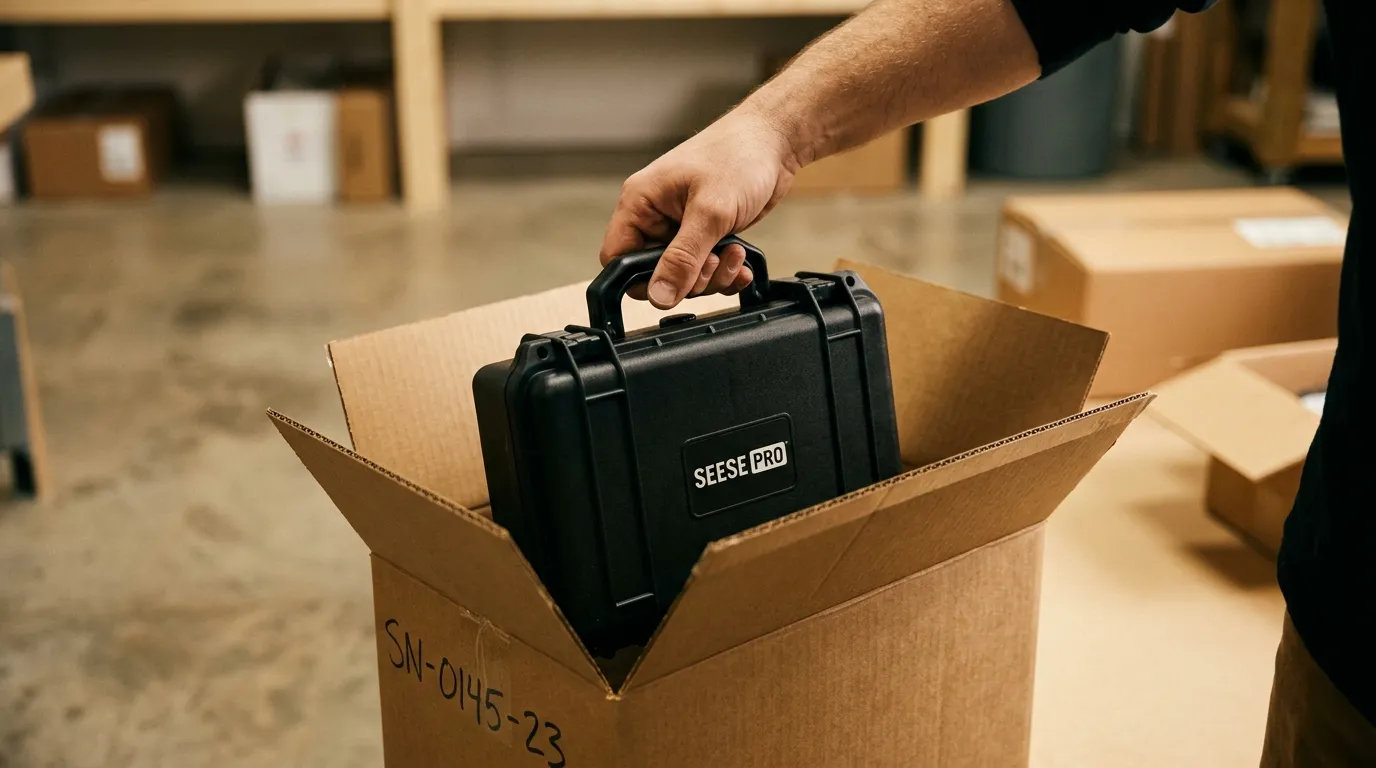
Order direct from the warehouse and have it on your porch this week
Free shipping inside the continental United States. Tracking number arrives by email the same day your order leaves the building.
If you have a wall, a hose bib, a drain, and you only ever clean a driveway, buy something else. You don't need this.
If you own a boat, an RV, a cabin, a deck, a vehicle, or any property where the water doesn't come pre-installed — this was built for you.
Use it for thirty days. Wash the deck, the boat, the truck, the patio furniture. Take it to the cabin and back.
If it doesn't replace every other pressure washer you own, send it back. Email customer service and we'll arrange the return.
Full refund, no restocking fee, no questionnaire about why you didn't love it. The risk lives on my side of the table.
You've been putting the cleaning job off for a reason. Renting is a hassle. Buying retail feels like a rip-off. Hiring a crew is overkill.
This was built for that exact moment of standing in the garage looking at the dirt and not wanting to deal with any of those options.
Try it for a month. If it changes how you handle outdoor cleaning, you'll know within the first weekend. If not, return it.
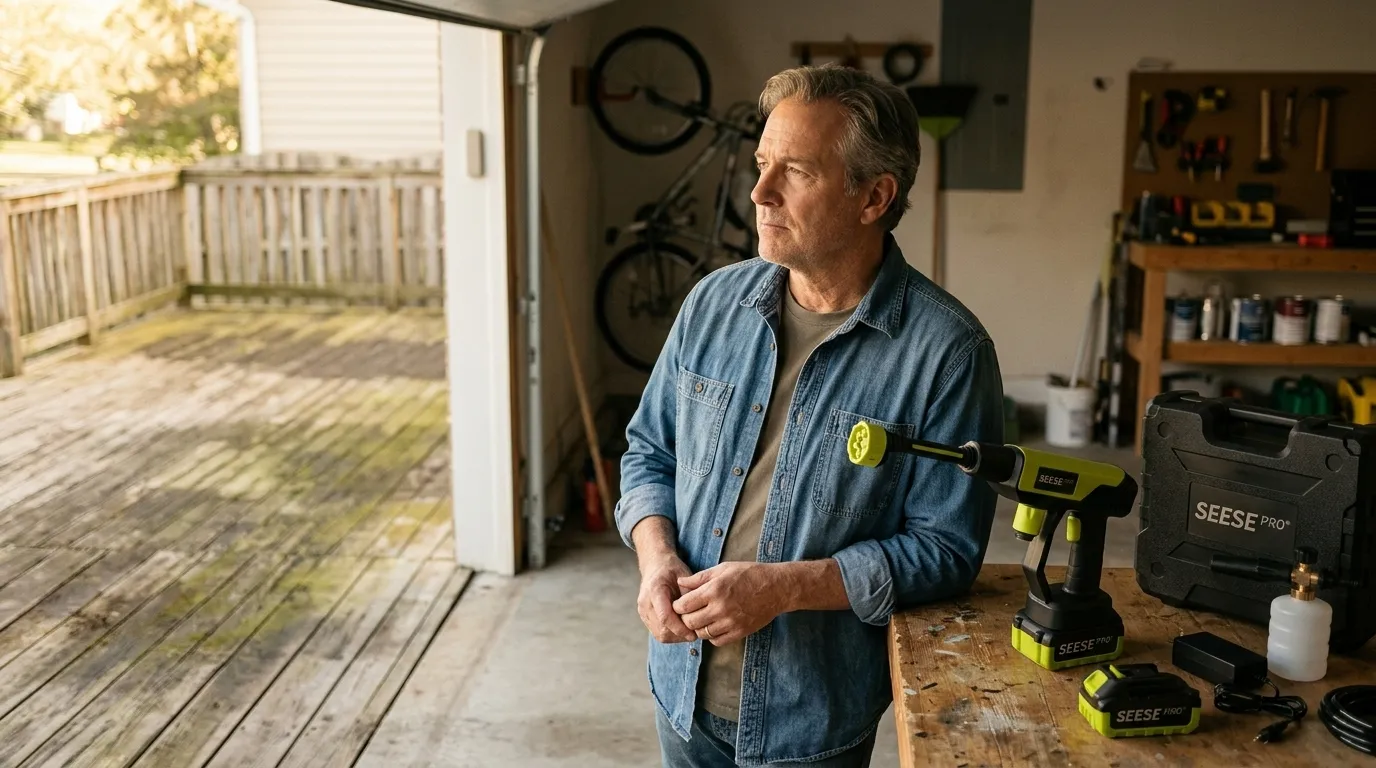
I'm fifty-eight years old. I'm not building a unicorn startup. I'm not raising a Series B. I'm an engineer with a workshop and a problem I wanted solved.
The Anywhere Washer is the tool I wished existed when I was standing on my dock with a green deck and a lake full of water.
It's now the tool I keep in my truck, my garage, and the back of my boat. It's the only one I use.
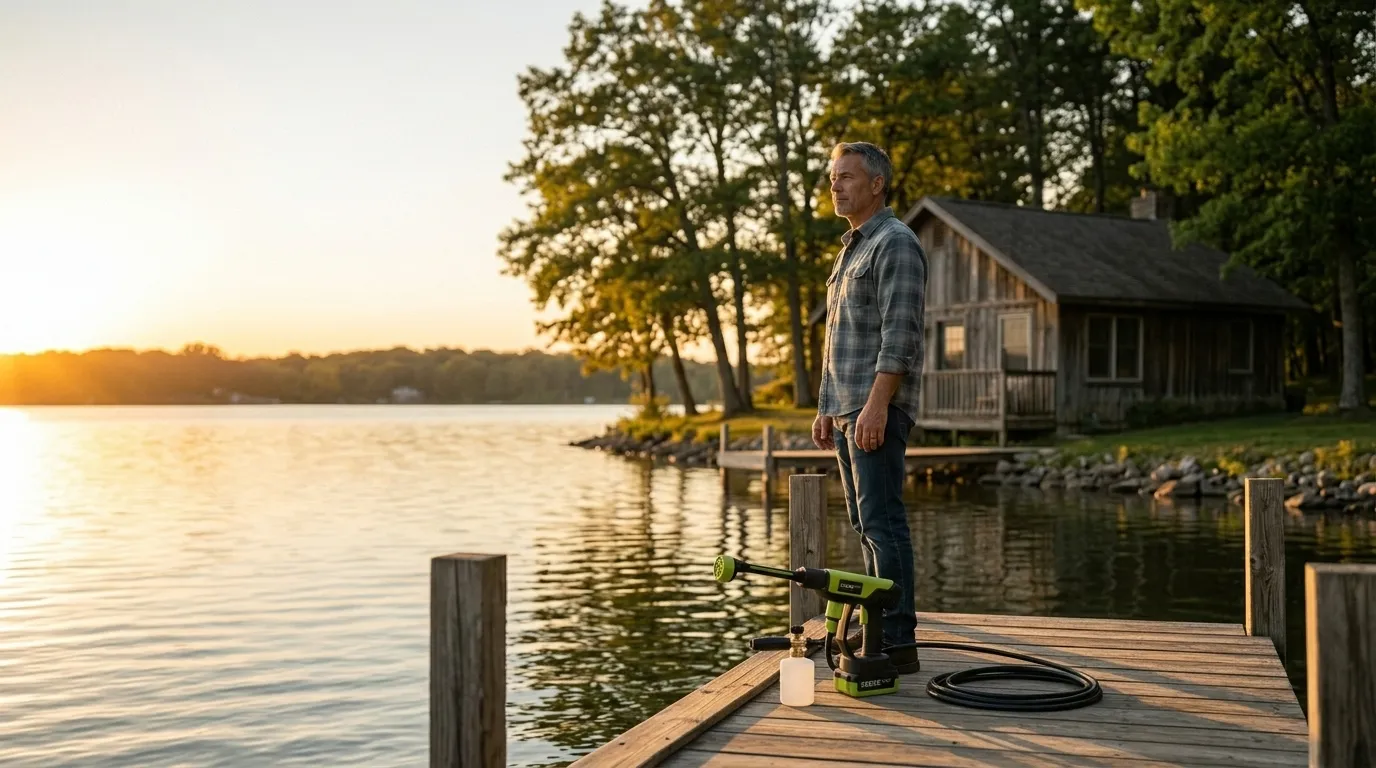
Built by a retired hydraulic systems engineer who got tired of watching the pressure washer category go nowhere for thirty years.
Pulls water from any open source. Runs on a lithium pack. Weighs less than a gallon of milk in your hand.
Ships direct from Ohio with a thirty-day money-back guarantee and zero retail middlemen taking a cut along the way.
If the rest of the industry catches up someday, good. Until they do, I'll keep shipping these out of Akron one carton at a time.
You can keep working around the wall and the tap. Most people will. The category counts on it.
Or you can step out of that assumption and own a tool that goes wherever the dirt actually is.